Q8: What is in a 5 mg / 5 mg cag/tirz blend vial
Lyophilized (unreconstituted) peptides remain stable for extended periods when stored frozen or refrigerated away from light and moisture
The concentrations used in GHK-Cu applications are well below toxic thresholds, but individuals with Wilson's disease (a copper metabolism disorder) should avoid GHK-Cu without physician supervision

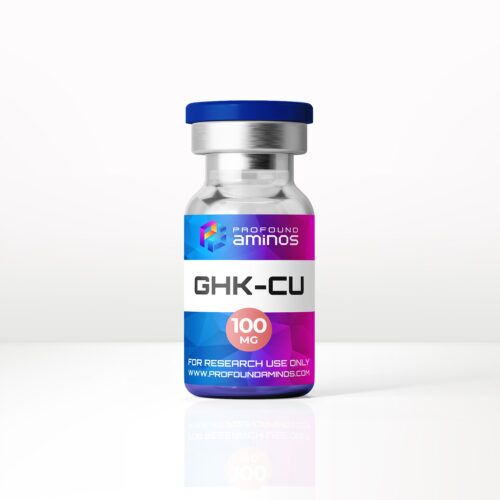
Composition & Format Per vial composition: TB-500 5 mg + BPC-157 5 mg + GHK-Cu 50 mg (total 60 mg) Peptide form: blue copper lyophilized powder in clear glass vials Kit size: 10 vials/kit (standard wholesale pack) Label and tray options can be customized for OEM/private-label projects Key Features for Wholesale Buyers High-purity blend of TB-500, BPC-157 and GHK-Cu for recovery- and skin-focused research models Consistent blue copper appearance for easy visual identification in mixed peptide inventories Factory-direct supply from China with support for bulk orders and rebranding Flexible packaging solutions for distributors, resellers and online peptide shops Batch documentation and quality files can be arranged for regular clients Packaging & Ordering Standard pack: 10 vials/kit, each vial containing 60 mg total peptide content Kits are packed in plastic trays and export cartons, prepared for international shipping For wholesale pricing, OEM options and current lead time , please contact us for a quotation or proforma invoice After payment confirmation, you will receive processing and dispatch updates within around 3 business days Storage & Handling Store vials sealed at 28 C , protected from light and moisture Avoid repeated freezethaw cycles

Beyond 12 weeks : What happens with 6-month or multi-year use
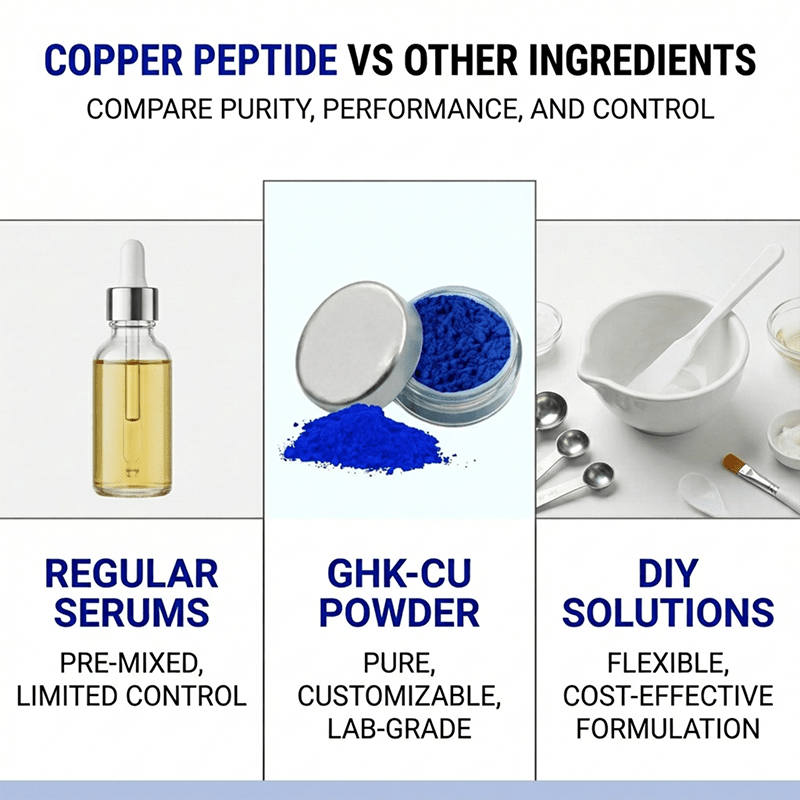
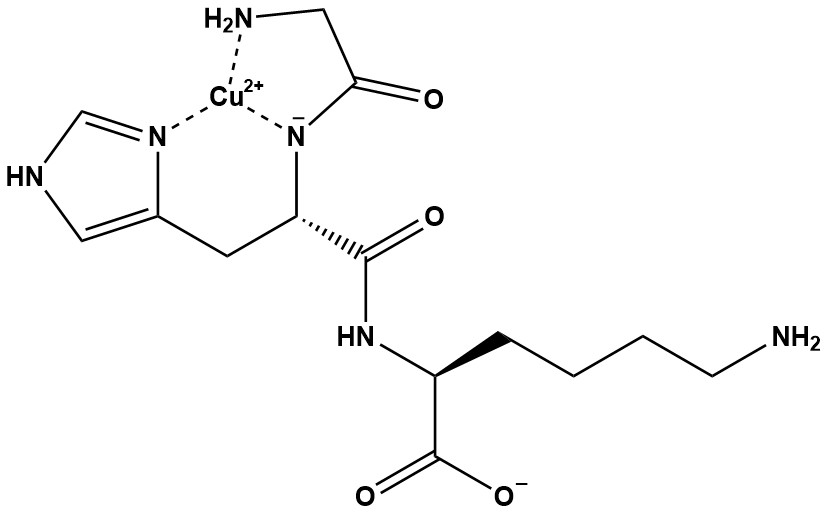
GHK-Cu, a naturally occurring copper-binding peptide, is frequently utilized in research involving tissue regeneration, cellular communication, extracellular matrix biology, and tissue remodeling processes