Calorie-Controlled, Nutrient-Dense Nutrition Whole foods: vegetables, fruits, lean protein, complex carbohydrates Calorie targets set to the individual, not to a template Balanced macronutrient distribution appropriate to the patient Referral to a registered dietitian where indicated Regular Physical Activity 150300 minutes per week of moderate-intensity activity brisk walking, swimming, cycling Two to three resistance training sessions per week to preserve lean mass, which matters enormously on GLP-1s Low-impact work such as yoga or Pilates for adherence and mobility Behavioral Support Identifying and addressing emotional eating triggers Building coping strategies that arent food Mindful and intuitive eating practices Realistic, incremental goal setting Ongoing Medical Supervision Monitoring progress and adjusting the plan as physiology and adherence change Screening and treating underlying contributors thyroid dysfunction, insulin resistance, medication effects, hormonal factors Managing pharmacotherapy titration and side effects Verifying that any adjunct, including lipotropics, is actually justified for that patient Hormonal status is frequently the missing variable in a stalled weight loss patient, which is why many weight management practices pair their program with hormone optimization our overview of synthetic versus bioidentical hormones and our hormone pellet and BHRT training cover that side of the practice
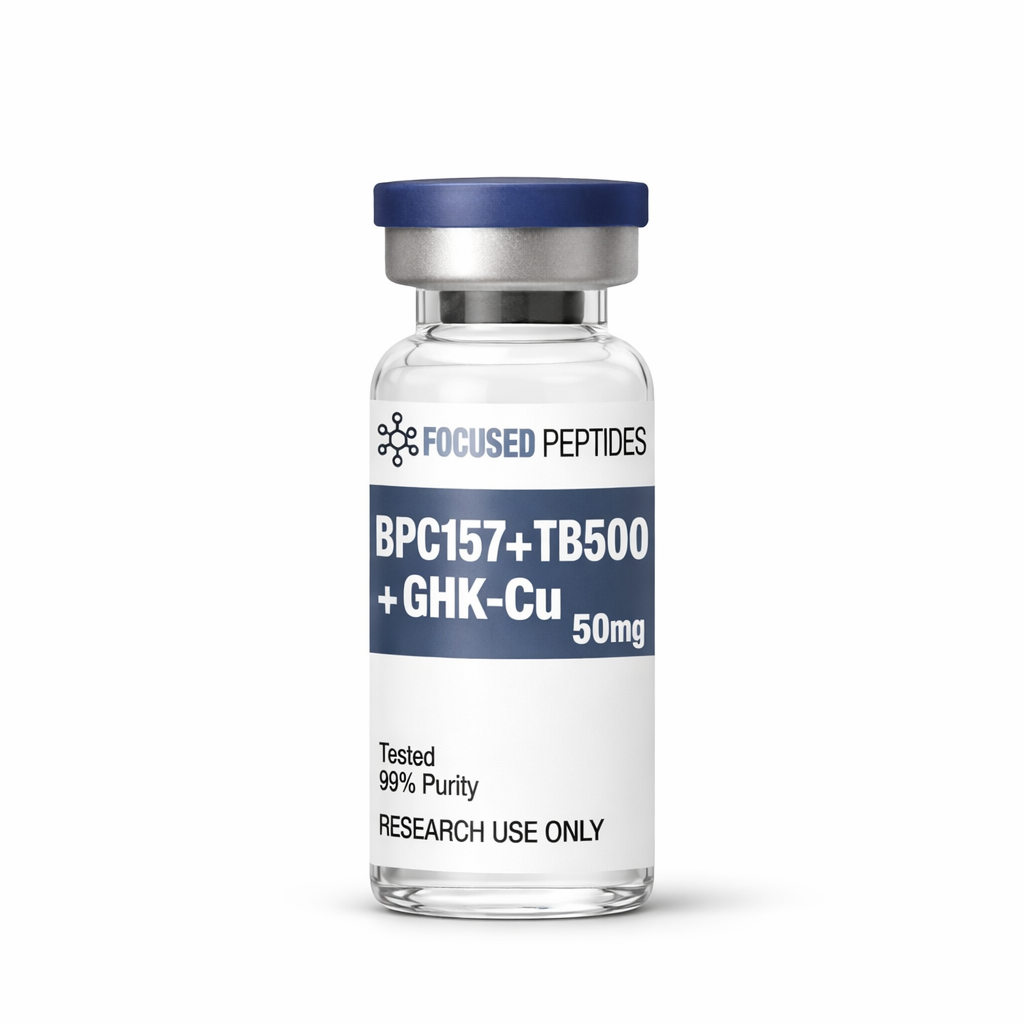
A common knee-focused stack: BPC-157: 250 mcg twice daily, injected subcutaneously near the knee TB-500: 2-2.5 mg twice per week, injected subcutaneously (abdomen or near knee) TB-500 works systemically due to its larger molecular size and longer half-life
Why HbA1c May Be Unreliable in B12 Deficiency B12 deficiency alters red cell turnover and erythropoiesis, making HbA1c potentially unreliable in either direction the distortion is variable and cannot be predicted
Peritendinous injection targets tissue with poor blood supply
Following a vegetarian or vegan diet brings many benefits, but some nutrientssuch as vitamin B12are only contained in meat and other animal products, as well as certain fortified foods like yeast extract or breakfast cereals
Resultantly, bacteriostatic water will not remain homogeneous, as an uneven concentration of bacteriostatic preservative will be present throughout the vial