Clinical Stroke Trials Human clinical trials have yielded inconsistent results regarding efficacy: CARS trial (n=208): Demonstrated beneficial effects on global function and motor recovery in early rehabilitation patients[9] CASTA trial (n=1,070): Failed to show benefit over placebo in primary composite outcomes in Asian stroke patients[10] Meta-analyses suggest possible benefits in patients with severe stroke, but limited effects in mild-to-moderate cases[11] Safety profile comparable to placebo in most studies Neurodegenerative Disease Research Alzheimers Disease Models Research in transgenic mouse models of Alzheimers disease demonstrated effects on amyloid pathology and cognitive function[12]: Reduced amyloid plaque burden in APP transgenic mice Improved behavioral performance in memory tasks Decreased amyloid precursor protein maturation Effects maintained for 3 months after treatment discontinuation Vascular Dementia Studies Clinical investigations in vascular dementia patients showed more consistent positive findings[13]: Improved ADAS-cog cognitive scores (10.6-point improvement vs 4.4 points placebo) Enhanced global clinical function ratings (CIBIC+ scores) Benefits observed in 24-week treatment protocols with intravenous administration Effects demonstrated in multiple randomized controlled trials Traumatic Brain Injury Research Experimental TBI Models Studies in rat models of mild-to-moderate traumatic brain injury revealed dose-dependent functional improvements[14]: Enhanced long-term cognitive recovery at doses of 0.8-7.5 ml/kg Optimal dose identified as 2.5 ml/kg in closed head injury models Reduced astrogliosis and axonal injury markers Improved neurogenesis in dentate gyrus region Excitotoxicity Protection Research using kainic acid lesion models demonstrated neuroprotective effects[15]: Significant protection when administered before excitotoxic challenge Limited benefit when given after injury (therapeutic window considerations) Enhanced neuronal structure preservation in hippocampus Improved water maze performance in protected animals Critical Research Limitation: Clinical trial results for Cerebrolysin have been notably inconsistent
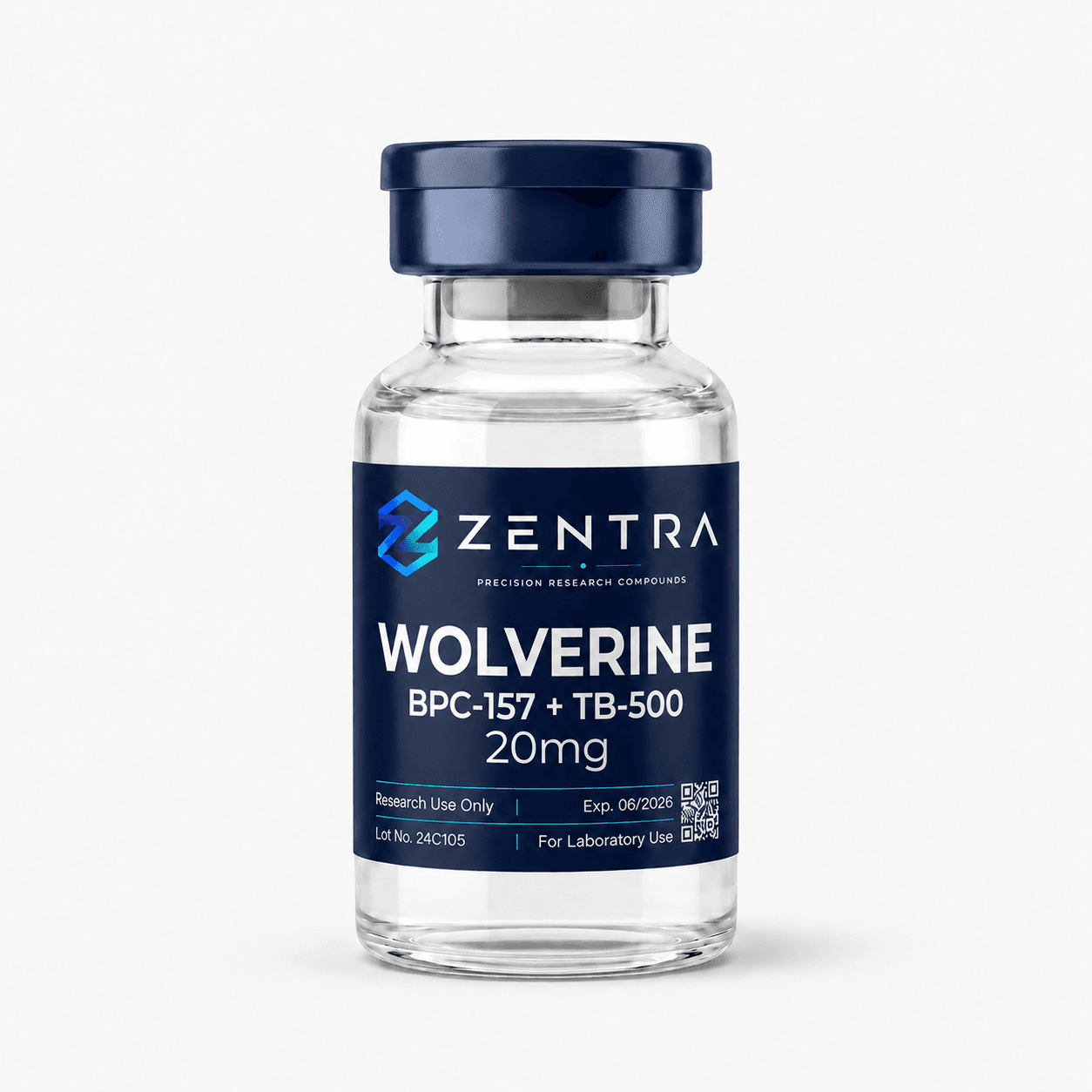
Testing is performed by an ISO 17025-accredited laboratory and a batch-specific COA is available on request
Stable gastric pentadecapeptide BPC 157 in honeybee (Apis mellifera) research [PMID: 29682749] Laboratory literature summary: Stable gastric pentadecapeptide BPC 157 in honeybee (Apis mellifera) research protocol, to control Nosema ceranae invasions in apiary
Shaking adds air, creates foam, and can fracture peptide bonds
Most side effects are temporary, but severe allergic reactions require immediate medical attention
Dokumentacja COA jest dostpna na danie dla kadego numeru partii