Its role in GLOW is to support the blood supply behind tissue repair rather than build collagen directly
Scratch-wound closure, for example, can occur because cells move into the cleared area, because cells divide more rapidly, or because both processes occur together
Researchers should use appropriate laboratory tools and equipment to ensure accurate and sterile results
Results observed in one study or experimental model should not be expected in every research setting
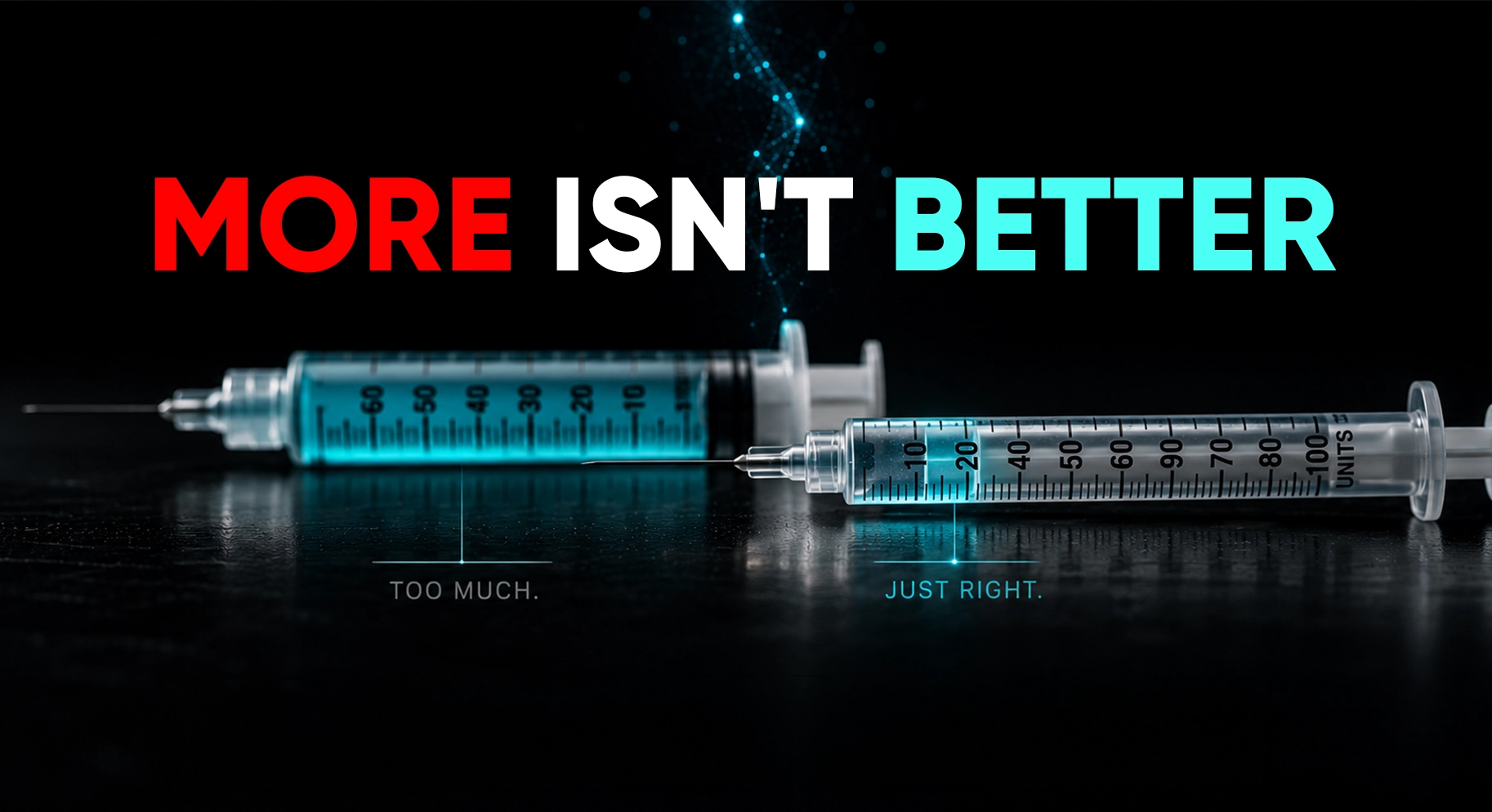
Vitamin B12 There is four types of parenteral Vitamin B12 available: Cyanocobalamin 100 mcg/ml and 1000 mcg/ml best used as IM to prevent rapid loss via kidneys Hydroxycobalamin IM (compounded 1000 mcg/ml or more) known as long acting B12 (binds better to plasma proteins than cyanocobalamin) Methylcobalamin IV (compounded 1000 mcg or more up to 5000 mcg/ml) Adenosylcobalamin IV Common dose is 1000 mcg IM or IV Vitamin B12 as hydroxycobalamin is synthesized exclusively by microorganisms and is found in the liver of animals bound to protein as methylcobalamin = metabolically active form of Vitamin B12 Hydroxycobalamin is a chelator of cyanide and is used in cyanide poisoning Hydroxocobalamin is most generally used for vitamin B12 replacement therapy and is considered the drug of choice for vitamin B12 deficiency by the Martindale Extra Pharmacopoeia (Sweetman, 2002) and the World Health Organization (WHO) Model List of Essential Drugs

ICD-10 Code for Iron Deficiency Anemia: D50 Accurate ICD-10 codes for iron deficiency anemia are: D50.0: Iron deficiency anemia secondary to blood loss (chronic) D50.1: Sideropenic dysphasia D50.8: Other iron deficiency anemias D50.9: Iron deficiency anemia, unspecified Vitamin Deficiency Anemia Vitamin deficiency anemia is diagnosed in a patient when they suffer a shortage of vitamin B12 and folate required for red blood cells