therefore, LCACs act as the fatty acid transport moieties for oxidative catabolism Mutations in key enzymes increase mitochondrial and cytosolic pools of long-chain acyl-coenzyme A, promoting an accumulation of LCACs that is diagnostic of fatty acid oxidation disorders LCACs can modulate inflammation, insulin sensitivity, myocyte stress, protein kinase C signalling and ion balance, which suggests that they contribute to both physiological and pathophysiological processes beyond fuel trafficking A model is proposed to explain how LCACs affect disparate cell systems on the basis of their zwitterion biochemical structure and published evidence that they interact with plasma membranes In this model, accumulation of LCACs is predicted to alter the activities of key receptors, transporters, channels and enzymes that associate with (or involve) plasma, mitochondrial or other membranes Abstract Perturbations in metabolic pathways can cause substantial increases in plasma and tissue concentrations of long-chain acylcarnitines (LCACs)
Bai T, Liang R, Zhu R, Wang W, Zhou L, Sun Y
Always consult with a qualified healthcare provider before starting any new treatment or therapy.
Safety and efficacy of combination therapy with semaglutide, cilofexor and firsocostat in patients with non-alcoholic steatohepatitis: a randomised, open-label phase II trial
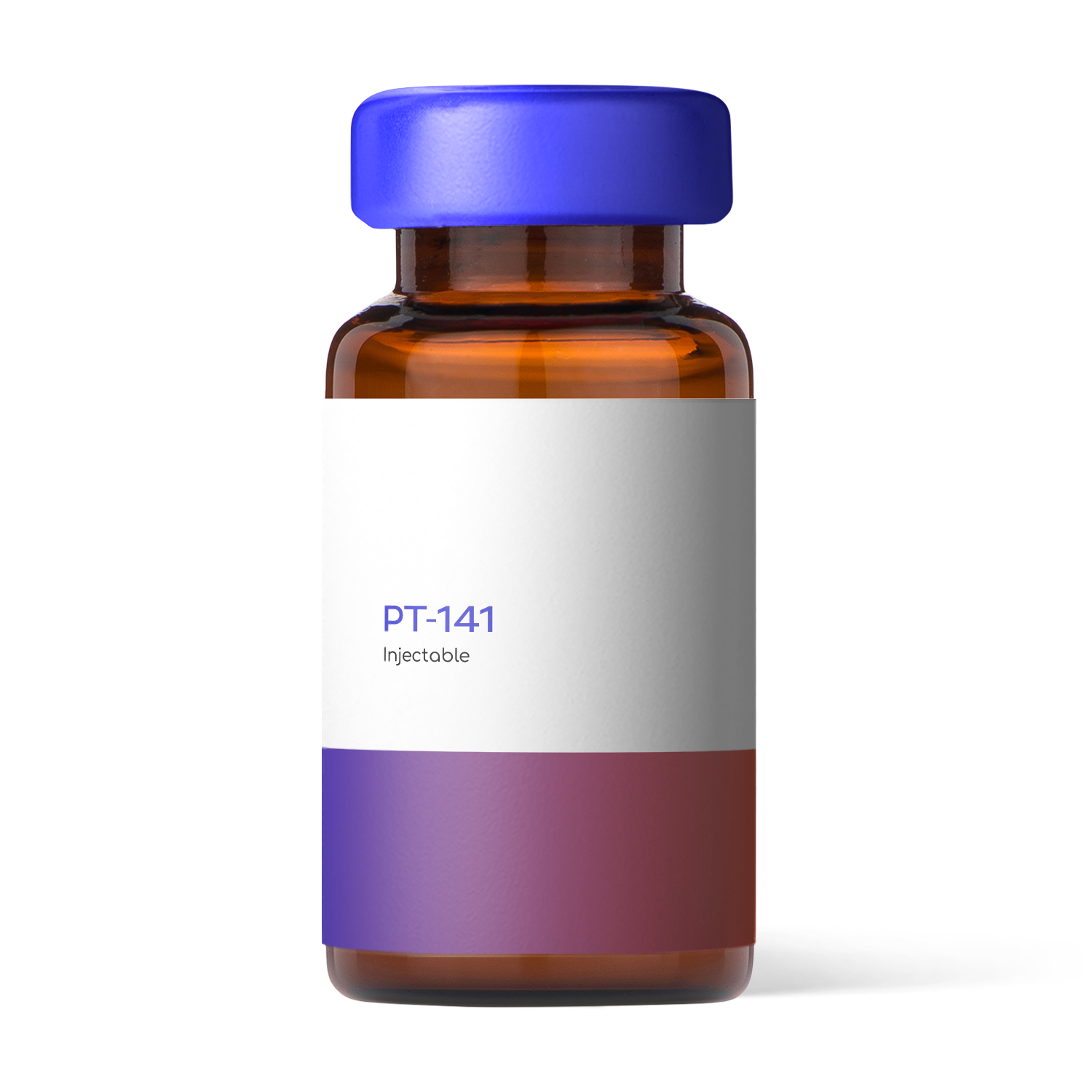
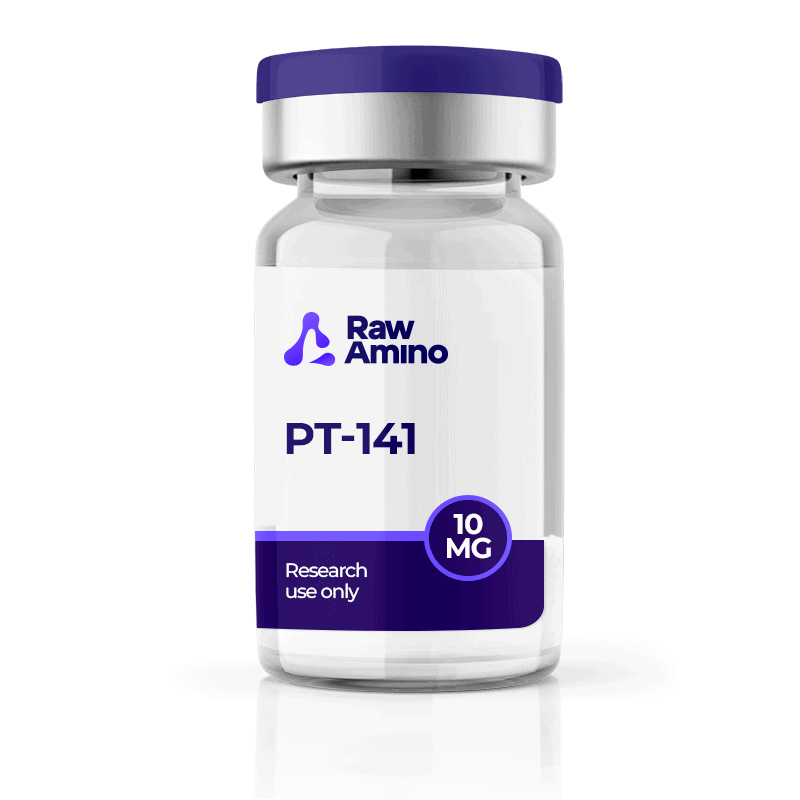
Increase Arousal & Desire with PT-141 (Bremelanotide) Peptide Therapy Enhance Intimacy, Desire, and Sexual WellnessFor Women & Men Are you looking to reignite passion, address low sexual desire, or improve intimacy in your relationship
Glycine demand is high: it is used for glutathione synthesis, creatine synthesis, porphyrin synthesis, collagen production, bile acid conjugation, and Phase II conjugation simultaneously













/assets/images/provider/photos/2775905.jpeg)