Get 20% off your first peptide order Join for early access when the service launches mL mg/mL Reconstituting your vial Reconstitution is adding liquid, almost always bacteriostatic water, to a freeze-dried (lyophilized) peptide so you can measure and inject it
Pregnant women or patients with uncontrolled medical issues (like severe asthma, active infections, or glutathione allergy) should avoid it
Additional research is exploring its role in angiogenic signaling, cellular turnover, and oxidative stress response pathways
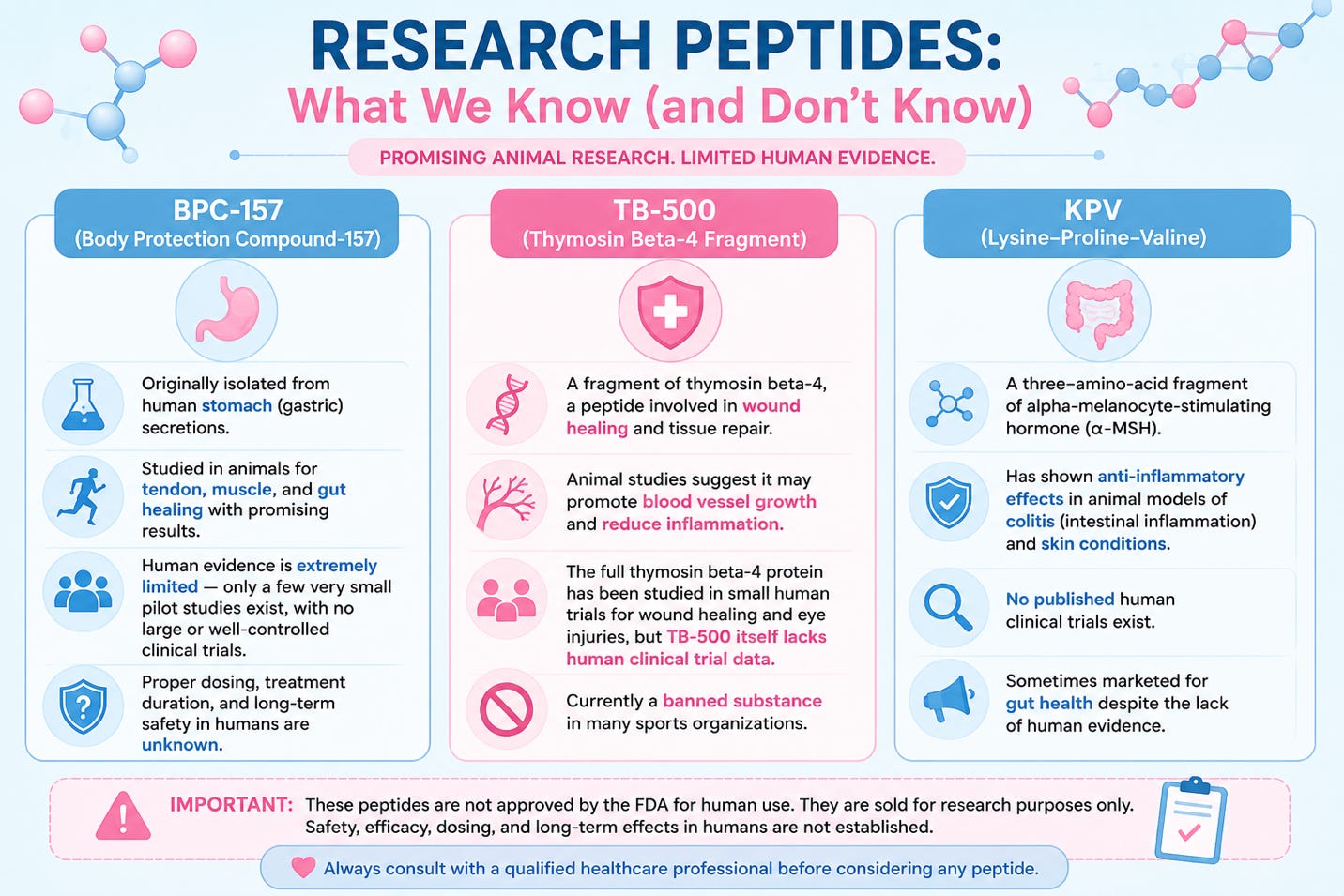
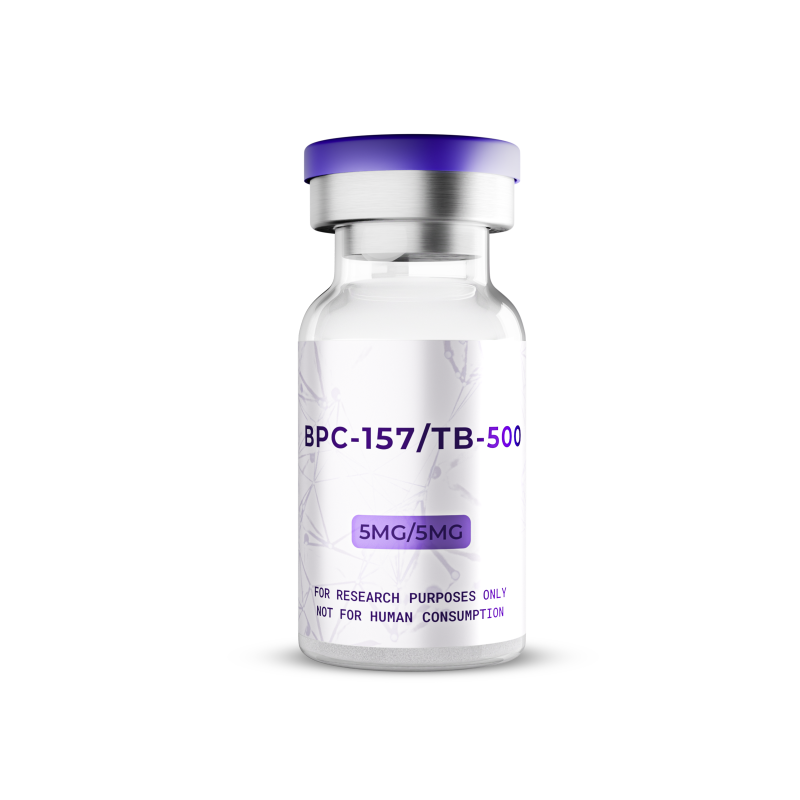
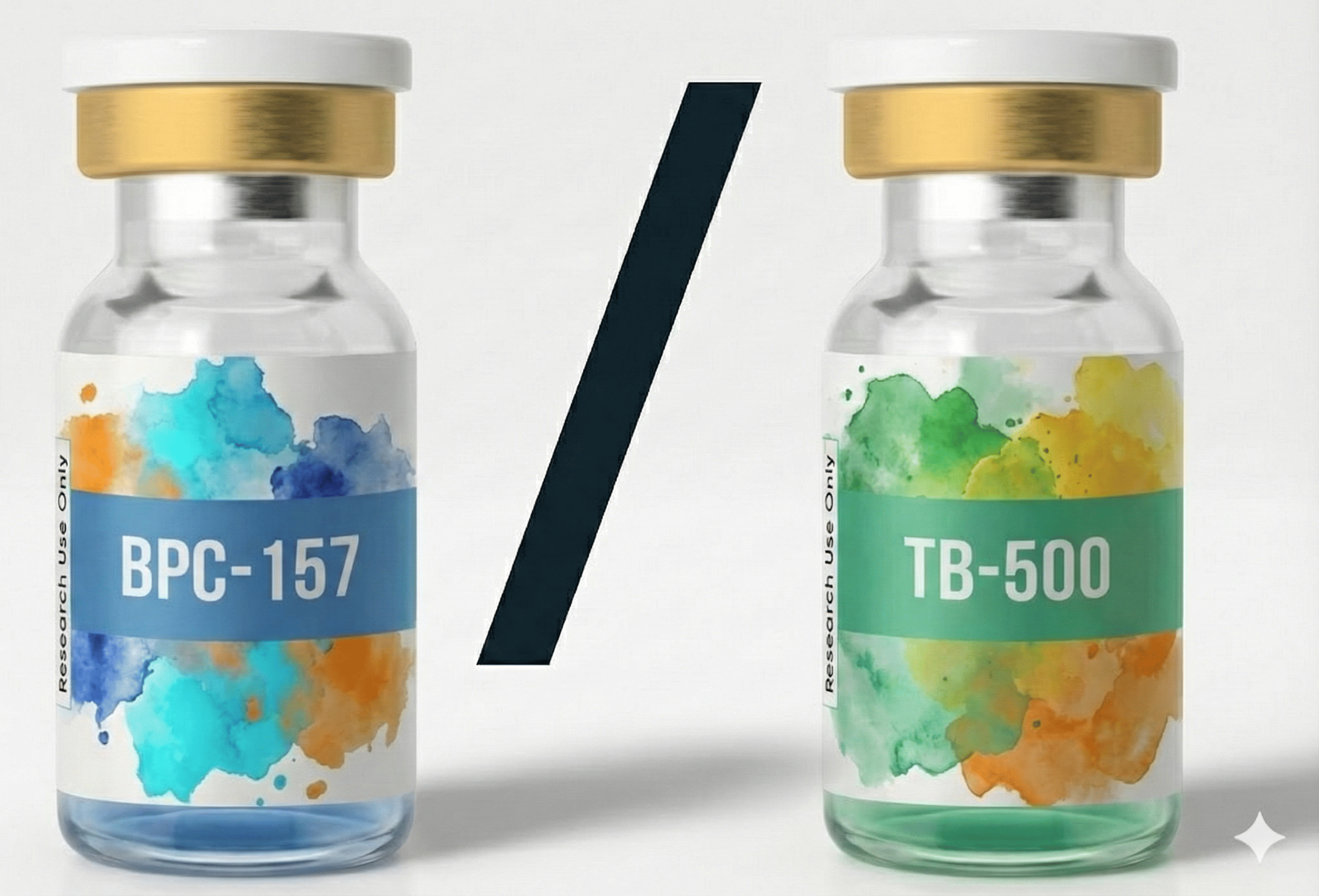
What 503A Compounding Pharmacies Currently Cannot Make These widely used clinical peptides are not eligible for 503A compounding under current rules: BPC-157 (Body Protective Compound, used for tendon, ligament, and gut-lining repair) TB-500 / Thymosin Beta-4 fragment (recovery and inflammation modulation) CJC-1295 (GHRH analog, used for growth hormone optimization) Ipamorelin (selective GH secretagogue) MOTS-c (mitochondrial-derived peptide, metabolic and longevity research) Epithalon (Epitalon) (telomere-supporting longevity peptide) Semax (cognitive and neuroprotective peptide) GHK-Cu (copper tripeptide for skin and tissue regeneration) AOD-9604 (modified fragment of growth hormone, studied for fat metabolism) These peptides are widely studied
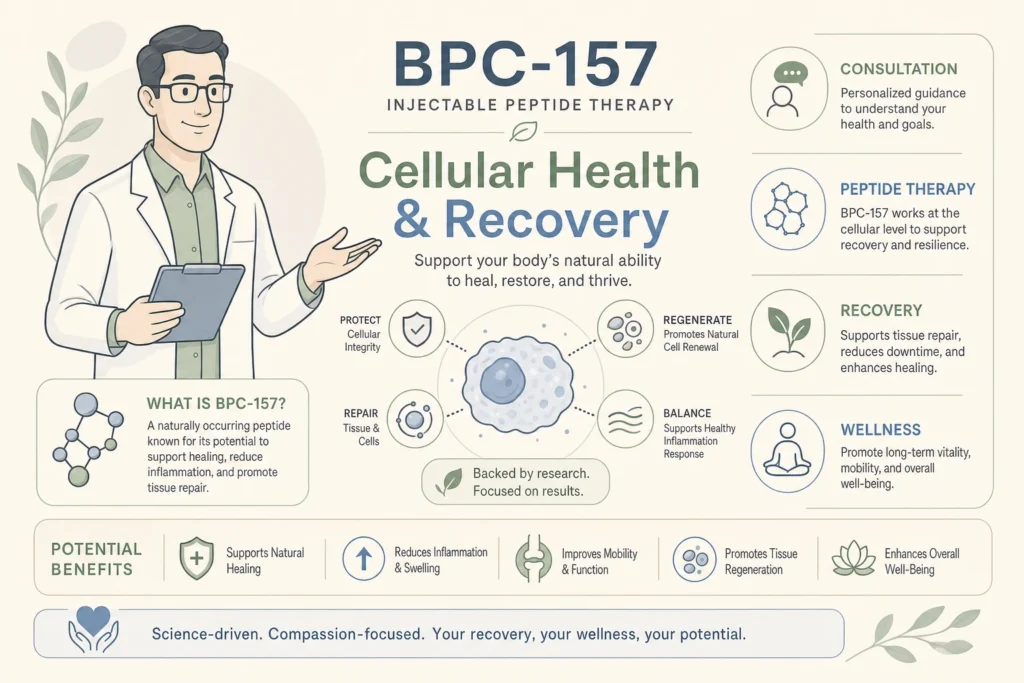
BPC-157 sits at the intersection of several booming markets: Early adopters and brands offering oral BPC-157 capsules will likely capitalize on this wave of consumer interest
Some hormone preparations